Az ajándék megdicsőülése
2008 december 17. | Szerző: amfortas |
Mert ajándékozni jó. Mert jobb adni, mint kapni. De mit is? És miért is?
Miért ajándékozunk ? Mert örömet akarunk okozni a másiknak, akit szeretünk valamiért?
Hogyan ajándékozunk? És mit ?
A mi kultúránk a vásárlási kedven alapszik, a mindkét fél számára előnyös csereüzlet alapeszméjén. A kirakatokat nézegetve mindent megtalálunk, amit megengedhetünk magunknak, bármit megvásárolhatunk készpénzre vagy hitelre, amit persze pénztárcánk megenged, sőt néha azon túl is.: Ennek élvezetén alapszik sajnálatos módon az emberek többségének boldogsága. Nem csoda, hogy az emberek aztán ugyanilyen módon kezelik embertársaikat is. Egy olyan kultúrában, ahol a piac az úr, ahol az anyagi boldogulás jelenti a legnagyobb értéket, ott egyáltalán nem csodálkozhatunk azon, hogy az emberi szeretet-kapcsolatok ugyanebben az árucsererendszerben működnek. Az ajándékozás apoteózisa, megdicsőülése csúcspontján a karácsonyi ajándékvásárlási őrületben gyönyörködhetünk, íme, nézz körül!
Amíg a mi kultúr- környezetünkben az ajándékozás a szeretet egyik legfőbb kifejezőeszköze, addig a törzsközösségekben, ahol a magántulajdon ismeretlen fogalom volt, a birtoklásvágy betegségnek számított. Vannak indián törzsek, ahol a mai napig is, ha észreveszik valakin az irigység, mohóság, vagy egyszerűen a túlzott tárgyszeretet jelét, ezen komolyan aggódni kezdenek. Gyógymódjuk erre a betegségre az, hogy addig halmozzák el mindenféle tárgyakkal társukat, amíg a tünetek el nem múlnak 🙂 Mennyi és mennyi alkalom nyílik az ajándékozásra! Legyen az születésnap, névnap, valentin-nap, esküvő, eljegyzés, házassági évforduló, gyermekáldás, keresztelő, húsvét, ballagás, diplomaosztó, anyák napja, nőnap, gyermeknap, karácsony!!! … vagy csak úgy. Hát igen. Nemrégiben szép ajándékot kaptam egy kislánytól: üvegműves képzőművésztanoncként kezébe került egy darabka kék üveg, emlékezett rá , hogy gyüjtögetem a kék üvegcséket, nosza, megdolgozta ezt a darab üveget, csiszolgatta, polírozgatta, aztán elküldte, semmilyen alkalomra, csak úgy.
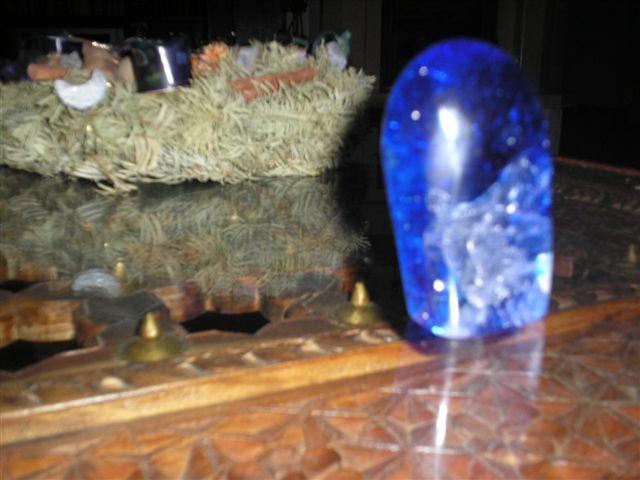
Az adás legfontosabb szférája nem az anyagi dolgok világa, hanem sajátosan emberi tartomány, csak többnyire már nem emlékszünk rá… Mit adhat egy ember a másiknak? Önmagát : nekiadja az örömét, az értelmét, az érdeklődését, a tudását, jókedvét, bánatát. És sosem azért ad, hogy kapjon.

Ha ad, óhatatlanul életre kelt valamit a másikban, és az jó esetben visszasugárzik rá: ha őszintén ad, abban benne rejlik a hasonló viszonzás legszebb esélye is.


Kommentek
Kommenteléshez kérlek, jelentkezz be:

Kedves Peter,
Erdekes a blogod az ajandekokrol… errol eszembe jutott egy cikk amit tavaly irtam az itteni ujsagba, ‘the Australian’be, hasonlo temarol, a karacsonyi dilirol, talan erdekel, mellekelem…
The consumption trap: Do we really get what we need?
Do you enjoy Christmas shopping? For many of us, this is a season of compulsive, high-pressure spending. We buy consumer goods for people we care for, but who often do not really need or want them. How did it come to this? Why are we so willing to go along with all the commercial inducements, and accept that the proper way to express our love and affection is by engaging in this orgy of spending and consumption?
The use of marketable goods to express something that is essentially non-marketable – love, affection and companionship – seems very widespread in wealthy societies. We have come accept that the things we buy, possess and give to others make important statements about who we are, our relationships, and our place in society. A great deal of advertising and marketing is devoted to convincing people that the consumption of material goods can provide them with a sense of identity and belonging. Thus, we often buy things because we want to make a symbolic statement about who we are and how we want others to see us.
It is the need to be liked and respected that seems to drive many consumer decisions. People seem willing to work hard so they can buy the things that will make the ‘right’ kind of statement about them. The fact that human beings are so profoundly dependent on the approval of others is hardly surprising. We are the descendants of ancestors who were good at being liked and accepted. Throughout thousands of years of human evolution, being a good group member was probably the best ticket for survival. It is easy to forget in our anonymous, faceless mass society that since the dawn of evolution, human beings mostly lived in close-knit, intimate face-to-face groups such as the hunting-gathering tribe or the feudal village. Here, everybody knew everybody else from birth to death and belonging came naturally. Our basic social habits and needs were probably shaped by this long evolutionary experience.
It is only in the last two hundred years – since the industrial revolution in the 18th century – that close, intimate group life has been swept away by the demands of mass production and mobility. Yet the need to be respected and liked remains as strong as before, even though we no longer have life-long memberships in intimate groups that provide us with a real sense of belonging and identity. So how do we go about satisfying these deep-seated needs? Often by spurious consumption, it seems.
The problem with such consumption is that we do not really get what we pay for. Buying a certain brand of shoes at exorbitant prices will not turn us into a person who ‘just does it’. Nor will buying particular brands of cars, hair care products, jewellery, or perfumes be a satisfactory substitute for the kind of social standing people aspire to. In fact, the relentless pursuit of consumption actually makes things worse. By working more to consume more, we neglect the very social relationships that could provide us with a real sense of belonging. Sacrificing quality time with family and friends in order to earn and consume more is ultimately a self-defeating strategy.
The result is a widely shared feeling of malaise. Despite huge increases in wealth in recent decades, measures of happiness and life satisfaction show little improvement. In fact, having an enduring marriage, intimate and satisfying relationships, and rewarding group memberships has a far greater influence on life satisfaction than material wealth does. It seems that the very success of market economies in providing us with everything that is marketable comes with a significant cost: the growing neglect of everything that is not marketable, such as the fundamental social and relationship needs. It is paradoxical that the ultimate challenge for capitalism is not how to increase and share wealth, as Marx mistakenly believed – capitalism has done this admirably. The real challenge is whether the single-minded emphasis on material progress and consumption so obvious this Christmas can be reconciled with the fundamental social needs and desires of human beings.
Joseph P. Forgas
Joseph Forgas is Scientia Professor of Social Psychology at the University of New South Wales, and Fellow of the Academy of Social Sciences in Australia. He received his DPhil degree from at Oxford University, and has also been awarded the Doctor of Science degree by Oxford.